
English| EUR
Suggested for you
More currencies
Choose a language
Mexican spirit regulations shape what qualifies as mezcal and where it can legally carry that name. The answer involves denomination of origin protections, certified production states, and international trade agreements that prevent other countries from using the term. Understanding these frameworks clarifies what makes a bottle authentic.
Quick answer
Yes, authentic mezcal must be made in Mexico under strict denomination of origin protections established in 1994. Only nine Mexican states hold certification to produce mezcal legally: Oaxaca, Durango, Guanajuato, Guerrero, San Luis Potosí, Tamaulipas, Zacatecas, Michoacán, and Puebla. Agave spirits produced elsewhere cannot use the mezcal name in markets that recognize Mexico's geographic indication.
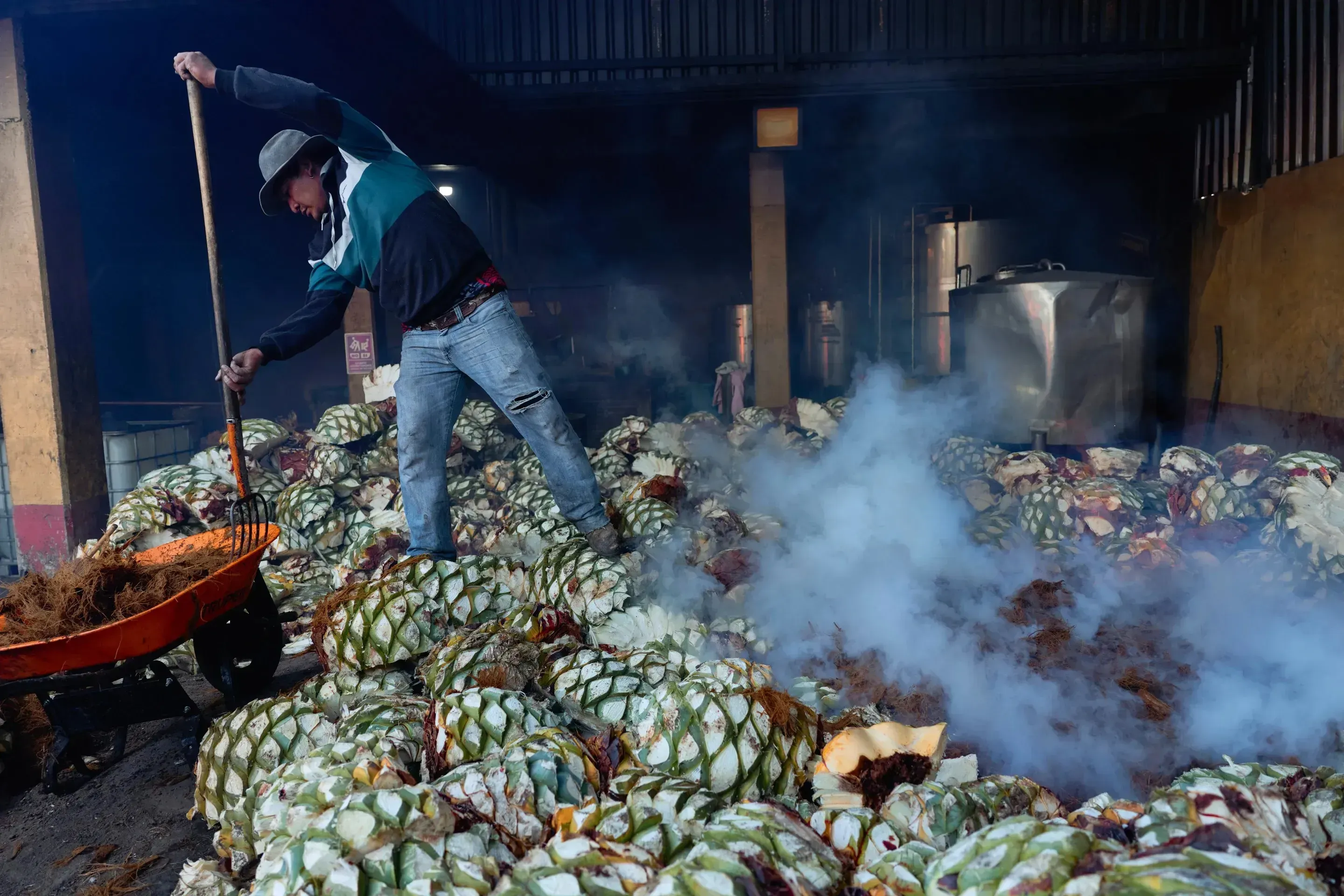
Mexico's 1994 denomination of origin declaration created a legal perimeter around mezcal production that functions like the protections governing Champagne or Scotch whisky. The framework ties the spirit's identity to specific geography, mandating that all certified mezcal originates within nine designated states and follows regulatory standards enforced by the Consejo Regulador del Mezcal. Oaxaca dominates production, accounting for roughly 85 percent of certified mezcal, but the denomination extends across diverse terroirs from Durango's high desert to Guerrero's coastal valleys. Each region brings distinct agave varieties and production methods, yet all share the requirement that their distillate meet federal standards before earning the mezcal label. Agave spirits made in non-certified states, even using identical processes, must sell under different names such as destilado de agave or raicilla. The geographic limitation reflects both tradition and trade strategy. Mezcal production predates Spanish colonization, rooted in indigenous knowledge of agave cultivation and fermentation across central and southern Mexico. Modern denomination of origin rules formalized these historical boundaries while creating export advantages, as international agreements prevent foreign producers from labeling agave spirits as mezcal. This protection has economic weight: certified mezcal exports grew 150 percent between 2016 and 2023, driven partly by the exclusivity the denomination guarantees. Visitors to the Museum of Tequila and Mezcal in Plaza Garibaldi encounter these regulatory distinctions through curated tastings that compare certified mezcals from different production zones. The museum's exhibits trace how does mezcal have to be made in mexico became not just a question of law but of preserving cultural heritage tied to specific landscapes and communities. The 60 MXN entrance includes access to displays explaining the certification process alongside two tasting samples that demonstrate regional variation within the protected category.
“The denomination of origin ties mezcal's identity to nine Mexican states, creating legal and cultural boundaries that define the spirit.”
Mezcal is a protected spirit governed by strict legal frameworks that define its production origin. These regulations ensure that only specific regions in Mexico can legally label their agave spirits as mezcal.
Mezcal holds a Denominación de Origen (DO), which legally restricts its production to specific states within Mexico. This designation ensures the authenticity and traditional methods associated with the spirit.
As of current regulations, the DO covers parts of Oaxaca, Guerrero, Durango, San Luis Potosí, Puebla, Michoacán, Tamaulipas, Zacatecas, Guanajuato, Morelos, Aguascalientes, and Estado de México. Only spirits produced within these territories can bear the name.
The Norma Oficial Mexicana (NOM-070-SCFI) was established to define the technical specifications for producing, bottling, and commercializing mezcal. This regulation solidified the geographical requirements that remain in effect today.
While many spirits are restricted by a single plant type, mezcal may be produced from over 30 different species of wild and cultivated agave. The terroir of the authorized Mexican states significantly influences the resulting flavor profile.
The DO mandates that production must follow traditional or artisanal processes within the defined zones. Spirits made outside of these Mexican states or using unauthorized methods cannot be labeled or sold as mezcal.
The Consejo Regulador del Mezcal (COMERCAM) oversees compliance with the production standards. This body verifies that producers adhere to the geographical and technical requirements stipulated by law.
The global popularity of agave spirits has led to confusion regarding the strict legal definitions that differentiate traditional Mexican mezcal from similar products made elsewhere. Understanding these distinctions clarifies why geographic designation is central to the identity of the spirit.
MythAny agave spirit made outside Mexico is mezcal.
FactMezcal is a protected designation of origin; only agave spirits produced within specific Mexican regions under official regulations can legally carry the name.
MythAgave spirits from the U.S. or elsewhere are the same as mezcal.
FactWhile production techniques may overlap, these spirits lack the regulated certification and regional heritage that define authentic Mexican mezcal.
MythMezcal regulations only apply to brands sold in Mexico.
FactThe Denomination of Origin for mezcal is recognized internationally, meaning the geographic requirements remain in effect regardless of where the product is sold.
The Museum of Tequila and Mezcal maintains consistent weekly operating hours to help you plan your visit to Plaza Garibaldi.
The Museum of Tequila and Mezcal is located at Plaza Garibaldi s/n, Centro Histórico, Cuauhtémoc, 06000 Ciudad de México, CDMX, Mexico. The most direct way to reach the museum is by using the Mexico City Metro system, which places you within walking distance of the plaza.
Line 8 to Garibaldi-Lagunilla station
Direct to Plaza Garibaldi
From Zócalo via Calle de la Palma
For a smoother visit, plan your arrival between 11:00 and 16:00. Weekday mornings and early afternoons are quieter before the plaza becomes lively at night.
The best arrival window is 11:00–16:00, as weekday mornings and early afternoons are quieter before the plaza becomes lively at night.
—
These hours offer the most space to view exhibits before the evening surge.
—
Visitor volume increases as the day progresses toward sunset.
—
Plaza Garibaldi reaches peak activity during these times with loud music and events.
Verdict: Visit Tuesday to Thursday between 11:00 and 16:00 to experience the museum during its most tranquil periods.
Everything you need to know about does mezcal have to be made in mexico
Yes, by law, mezcal must be produced within specific regions of Mexico to be officially certified. This geographic protection ensures that traditional production methods are maintained. You can explore these regulations further while visiting our exhibits in Mexico City. The question of does mezcal have to be made in Mexico is central to understanding its cultural heritage.
Mezcal is protected by a Denomination of Origin which restricts production to designated states. This ensures the spirit follows strict standards regarding agave harvesting and distillation techniques. Understanding why does mezcal have to be made in Mexico helps distinguish authentic products from generic agave spirits.
Our museum provides detailed educational displays regarding the history, production, and legal status of both tequila and mezcal. You will gain insight into how the Denomination of Origin protects these iconic beverages. Staff are available to clarify the complexities of regional certification standards.
The entrance fee of 60 MXN provides you with full access to our exhibition galleries. This price also includes two tasting shots to help you appreciate the nuances of the spirit. Please check our booking page to plan your visit accordingly.
Authenticity is tied directly to the land and the tradition of the producers. If a spirit is not crafted according to the official Mexican standards, it cannot legally be labeled as mezcal. This is why the question of does mezcal have to be made in Mexico remains a key topic for enthusiasts.
Weekday mornings and early afternoons between 11:00 and 16:00 offer the quietest experience. This allows you to explore the exhibits before Plaza Garibaldi becomes more active at night. We recommend planning your trip during these off-peak hours for a more relaxed visit.
Yes, even if the agave species is the same, the spirit must be produced within the certified Mexican regions to qualify as mezcal. Any product made outside these areas cannot use the name on its label. We cover these important distinctions during your visit to the museum.